


3/6
Storytelling in Media
Jenny shares how broadcast storytelling brings soccer to life and connects fans worldwide.
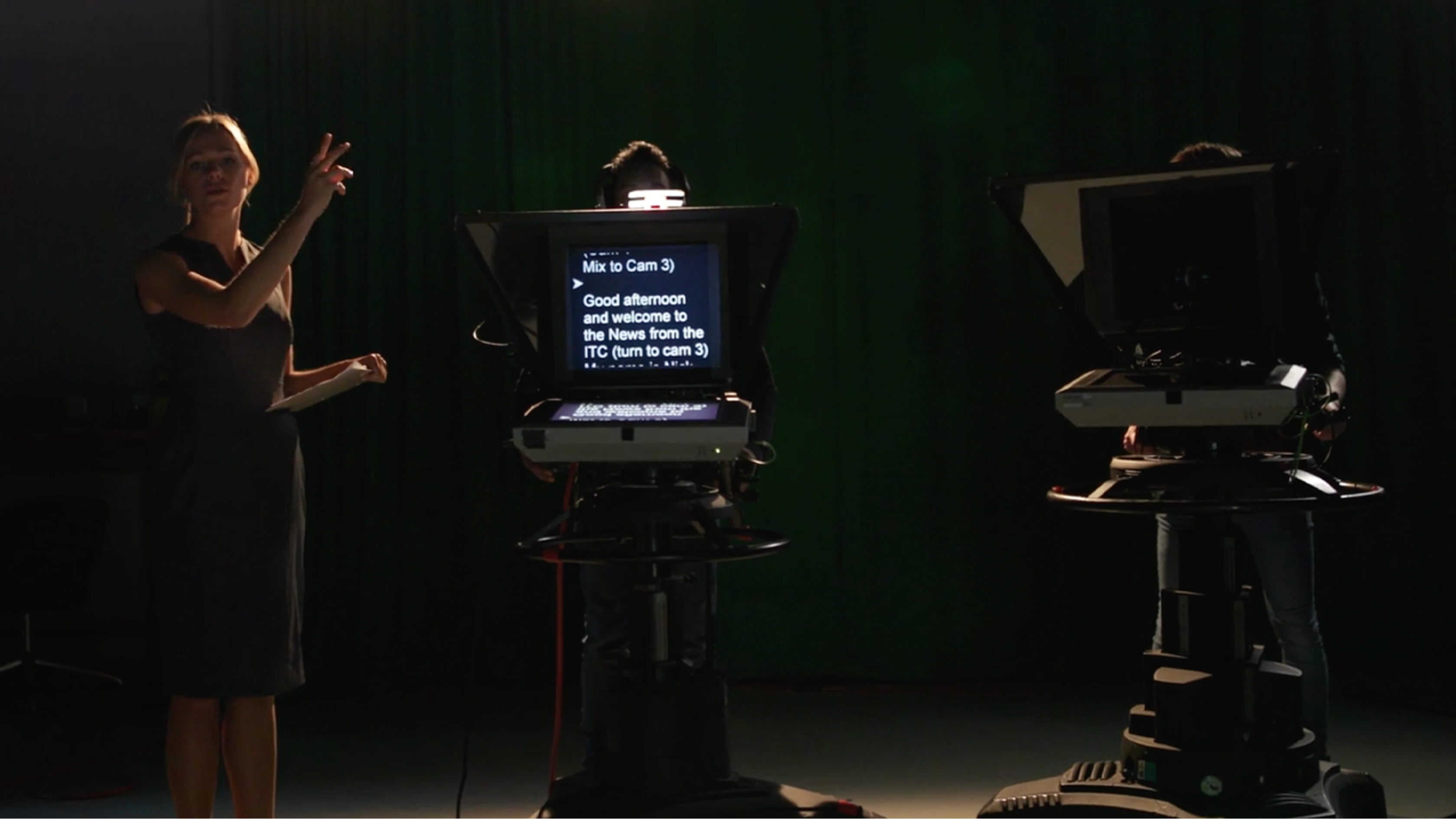
- Alright, time to tell some stories.
For our purposes, we're focusing on broadcast,
which is probably what you think of when you think of TV,
the lights, the camera, the live anchors,
but those things are just one way stories are told.
The game is only for 90 minutes, but broadcast media can and does
talk about it all day, every day.
In this lesson, I'll share how that storytelling comes to life in broadcast,
the people and the roles who make it happen, and what I've learned along the way
while finding my own voice as a storyteller.
If you think about it for a minute,
I bet you can come up with a lot of different kinds of broadcasts.
On an average day as a sports fan, you might see live sports,
sit-down interviews, sideline reporting, anchoring in the studio,
everything that surrounds the sports and live events that you love.
These things combine to make the moment even more impactful,
helping tell the stories that put into context what's happening on the pitch,
but each way of telling a story has a unique aspect to it as well.
News is always about urgency.
A big player might be traded or someone's been injured.
News reporting is focused on what's happening between the games that you need to know about.
This is often the beginning of a story.
Editorial is where the story then gets shaped.
The context gets added.
Say a player had a breakout game,
editorial coverage might dive into their background and how they got to that moment.
(bright music)
Analysis is breakdowns,
often from former players,
helping you understand the ins and outs of the game.
Sideline reporting is the one I love.
It brings you right onto the pitch to hear what you can't hear anywhere else,
like an interview with a manager at halftime.
Documentaries cover just about anything and everything else with deep dives in the form of a TV show or movie.
(inspirational music)
It takes a team of passionate people, both in front of and behind the camera
to breathe life into these stories as well.
From the anchors who deliver the stories with relevant context
to editors who mold the story for the viewers' eyes,
this team is just as talented as the ones on the pitch.
Let's talk about specific teams that I've worked with.
As a Club World Cup reporter with DAZN,
I had a producer and a videographer on the ground with me,
and then I had to coordinate with the individual show producers via phone or in-ears.
As a host, say on a panel,
you have the people on camera alongside you, typically analysts.
There's the producer and the director that are both in your ear.
There's the cameraman, there's a research team. There's specific people that cut highlights, that make the graphics.
Overall, it's a robust team of people involved in making the final product.
(bright music)
When it comes to powerful storytelling, there are a few things to keep in mind.
Storytelling is often not about being flashy or dramatic.
It's about knowing your audience and delivering them insights
or coverage they can't get without you.
Whether that's analysis, a great interview, or a deep dive documentary.
Broadcasters have the unique job of getting to go deep on topics people care about
and help them love sports even more.
The media doesn't invent the story,
but it does influence how people experience and remember it.
The way a moment is framed or told can change the entire narrative.
I know firsthand how careful,
thoughtful storytelling can honor the moment and the people behind it.
For example, as a sideline reporter for the W Gold Cup,
the US lost to Mexico.
It was a massive moment,
but the panelists in studio wanted to talk about the US losing while for me,
the story was Mexico beating the US for the first time.
Storytelling on broadcast in all of its forms
brings fans closer to their love of soccer
and even unites them.
What's interesting is who else is telling stories now in the age of social media.
We'll cover that in the next module.